November 17, 2026
A leftover tree stump can interrupt an otherwise useful yard. It may sit directly in a mowing path, occupy the space intended for a garden bed, or make an outdoor gathering area feel unfinished. What remains below ground matters just as much as the visible result.
A professional stump grinding service reduces the stump with specialized equipment while usually leaving much of the root system in place. That affects later planting and construction. Before scheduling work, homeowners should think about how they want to use the area, how deep the grinding must go, and what restoration will be needed once the equipment leaves.
Understand What Grinding Actually Removes
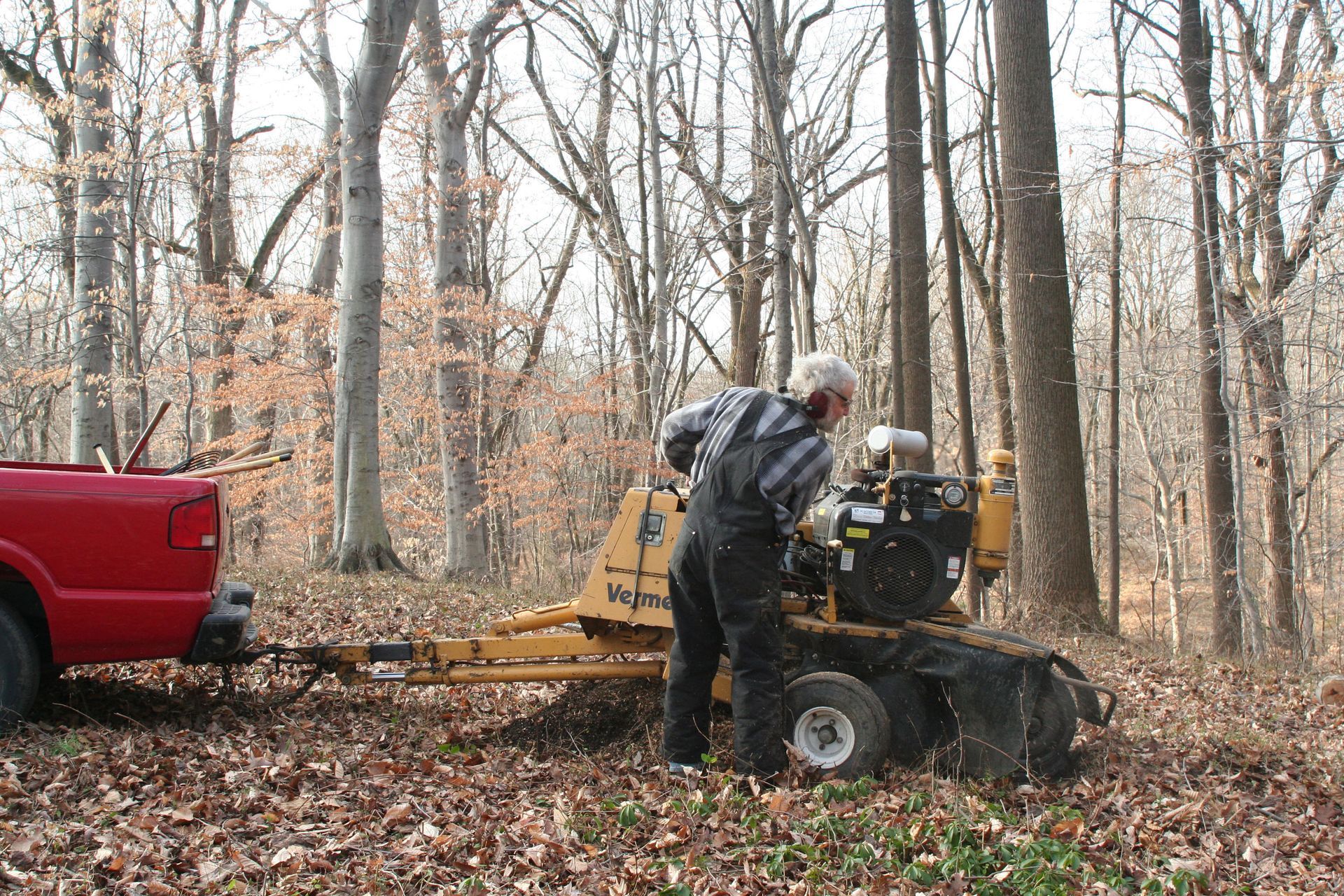
A stump grinder uses a rotating cutting wheel to break the stump into small wood fragments. Operators work across the exposed wood and gradually lower it beneath the surrounding ground. Equipment choice depends on stump size, access, and nearby obstacles.
Grinding differs from excavating a stump and its roots. Large roots often remain underground and decay over time. This can reduce disruption compared with pulling out the entire root system, but it does not create a completely root-free planting area. Some tree species may also produce new shoots from surviving roots, so ask what follow-up might be necessary. Judge the result against the agreed depth, not appearance alone.
Plan Around the Yard's Next Use
Consider the purpose of the newly cleared space before requesting an estimate. A lawn that needs smooth mowing access has different requirements from a vegetable bed, a patio foundation, or a replacement tree. A proposed walkway may require attention to exposed roots.
A stump grinding service should discuss these plans before choosing the depth and equipment. If an outdoor project will involve excavation or compacted base material, the contractor installing that feature may need to assess remaining roots and soil conditions. Grinding alone should not be assumed sufficient preparation for a retaining wall, building foundation, or other load-bearing structure. Planning with the next contractor can prevent repeated digging and unexpected changes.
Choose a Grinding Depth That Fits the Project
A shallow cut may make a stump less visible without leaving enough soil for a new planting. According to the Royal Horticultural Society (RHS), grinding approximately 20 to 25 centimeters below ground level is normally sufficient for laying turf, while deeper grinding to at least 30 centimeters is needed for replanting or landscaping. Those are general guidelines, not a guarantee that every site is ready for a new tree.
Depth is measured from the surrounding ground, which may need regrading. Discuss whether the operator will also grind visible root flares. For extensive new plantings, remaining roots, soil compaction, and the size of the planting hole still need evaluation. A nearby replacement tree may establish better in a different location rather than directly over the former stump.
Improve Access and Reduce Everyday Obstacles
A protruding stump can interfere with mowing, yard games, and movement between parts of the property. Low stumps may be difficult to see through grass or fallen leaves. They can also complicate the use of wheeled garden equipment and make a narrow path harder to maintain.
A stump grinding service can remove the main obstruction and allow the area to be graded for a more consistent surface. However, grinding creates a depression filled with wood fragments, not an instantly finished lawn. The site still needs appropriate backfilling, leveling, and possibly reseeding. Until those steps are completed, keep people and equipment away from uneven ground. The resulting space may be easier to use, although other hazards remain.
Restore the Soil Instead of Leaving a Chip-Filled Hole
Grinding often produces more wood chips than homeowners expect. Leaving a thick mound in the planting area can interfere with soil preparation, and buried woody material decomposes gradually. As it breaks down, the ground may settle. Large amounts of fresh sawdust mixed into planting soil can also temporarily reduce the nitrogen available to plants.
Ask whether the stump grinding service includes hauling chips away or spreading them elsewhere. For lawn or garden restoration, excess debris may need removal before good-quality topsoil is placed in the depression. Lightly settle the soil, then monitor for sinking and top it up as needed. The RHS advises using topsoil rather than sawdust to fill the hole. For planting, confirm adequate soil depth and drainage after settling.
Decide How to Reuse Suitable Wood Chips
Clean grinding debris sometimes has a useful second life as mulch in established landscape beds. Spread suitable material in a modest surface layer rather than burying it deeply or piling it against tree trunks and building siding. Keep mulch clear of areas where it could block drainage or conceal maintenance concerns.
Not every pile should be reused immediately. Wood from a diseased tree may warrant different handling, and chips mixed with soil, stones, or other debris can be unsuitable for ornamental areas. Ask the tree professional about the original tree's condition and the disposal options available. Reuse chips when appropriate, rather than trying to find a home for every piece.
Protect Nearby Plants, Utilities, and Hardscaping
Stump grinders are powerful machines that can throw fragments and damage objects in their path. Before work begins, identify nearby irrigation lines, buried lighting cables, drainage pipes, fencing, and decorative edging. Utility location procedures and the contractor's site assessment should happen before digging or grinding, especially where the exact position of underground services is uncertain.
Access matters too. A narrow gate, steep slope, or fragile patio may limit equipment choices. Discuss whether machinery must cross a lawn and what protection will be used. A reputable stump grinding service should explain the work zone and keep bystanders away during operation. Homeowners should not attempt to inspect the cutting area while the machine runs. Protecting nearby trees is equally important: unnecessary root damage to healthy trees can create problems beyond the stump being removed.
Compare the Scope Before Booking the Job
Estimates can differ because contractors are proposing different work, not necessarily because one is charging more for the same result. Ask how many stumps are included, how deep each will be ground, and whether exposed roots are part of the price. Clarify access arrangements, cleanup, chip removal, and whether soil restoration is provided or left to the homeowner.
A written description helps when planning a garden or pathway. Also ask whether the contractor carries appropriate insurance and how unexpected underground obstacles will be handled. Stump grinding is often less disruptive than complete excavation, but neither method guarantees a particular property-value increase or eliminates future landscape maintenance. A practical estimate should match the actual goal and site conditions.
Turn the Cleared Area Into a Useful Space
After grinding and restoration, homeowners may choose fresh grass, a planting bed, or a better route between existing outdoor features. The best result is not always a dramatic makeover. Sometimes eliminating one obstruction makes routine mowing easier or creates enough room for a modest seating area. Allow for soil settling and assess whether remaining roots affect the proposed project before installation begins.
Green Holly Arborists provides tree care and stump grinding in Severn, Maryland, and surrounding Anne Arundel County communities. Contact the company to discuss your stump's location, access requirements, and plans for the space. An appropriately scoped
stump grinding service can help prepare the yard for its next use while leaving room for sensible follow-up landscaping.